
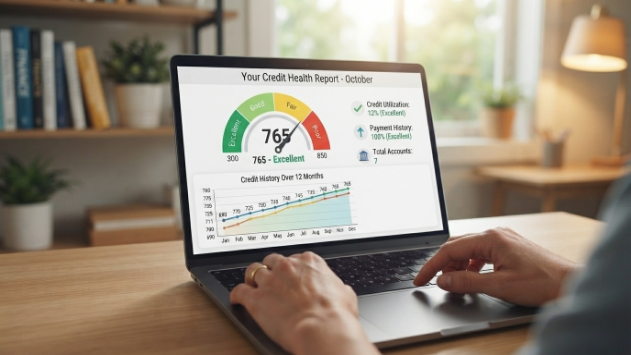
15 Proven Ways to Improve Your Credit Score Fast
Quick Answer
The fastest ways to improve your credit score include paying down credit card balances to lower your credit utilization, making all payments on time, disputing errors on your credit report, and asking for a credit limit increase.
Most people see meaningful movement within one to three billing cycles when they focus on these factors consistently.
I remember checking my own credit score for the first time and feeling genuinely confused about why it wasn’t higher, despite paying my bills.
What I didn’t understand back then is that credit scoring rewards specific behaviors, not just “being responsible” in a general sense. Once I understood the actual factors, improving my score became a lot more straightforward.
How Credit Scores Actually Work
Most lenders in the U.S. use FICO or VantageScore models, which weigh five main factors: payment history, credit utilization, length of credit history, credit mix, and new credit inquiries.
Payment history and utilization make up the majority of your score, which is why the strategies below focus heavily on those two areas.
The Consumer Financial Protection Bureau (CFPB) offers free resources on credit reports and your legal right to dispute errors, which is worth bookmarking as you work through this process.
15 Proven Ways to Improve Your Credit Score Fast
1. Pay Down Credit Card Balances
Credit utilization, the percentage of your available credit you’re using, is one of the biggest factors after payment history. Getting your utilization under 30%, and ideally under 10%, can produce a noticeable score increase within a billing cycle or two.
2. Make Every Payment On Time
Payment history carries the most weight in most scoring models. Even one 30-day late payment can significantly hurt your score and stay on your report for years.
3. Ask for a Credit Limit Increase
Requesting a higher limit on an existing card, without increasing your spending, effectively lowers your utilization ratio. Many issuers allow this request without a hard credit inquiry.
4. Dispute Errors on Your Credit Report
Errors are more common than people assume. Reviewing your credit report through annualcreditreport.com and disputing inaccuracies with the credit bureaus can result in fast score improvements if errors are removed. Also read Best Budgeting Apps Compared: Which One Fits You?
5. Become an Authorized User
Being added as an authorized user on a family member’s older, well-managed credit card can help your credit history and utilization, especially if you have a thin credit file.
6. Pay Your Bill Before the Statement Closes
Since utilization is often reported at the statement closing date, paying down your balance before that date, rather than just before the due date, can lower what gets reported to the bureaus.
7. Keep Old Accounts Open
Length of credit history matters. Closing your oldest credit card can shorten your average account age and hurt your score, even if you rarely use it.
8. Diversify Your Credit Mix
Having a mix of credit types, such as a credit card and an installment loan, can modestly benefit your score, though this should never be the primary reason to take on new debt.
9. Limit New Credit Applications
Each hard inquiry can cause a small, temporary dip in your score. Applying for several new accounts in a short period can compound this effect.
10. Set Up Autopay for At Least the Minimum
Automating at least the minimum payment protects you from accidental late payments due to forgetfulness, which is one of the most avoidable score-damaging mistakes.
11. Negotiate Removal of a Late Payment (Goodwill Adjustment)
If you have a strong payment history otherwise, some lenders will remove a single late payment as a goodwill gesture if you call and explain the circumstances.
12. Pay Off Collections Strategically
Some newer scoring models ignore paid collections, so paying them off can help, especially with lenders using updated models. Always get written confirmation before paying.
13. Use a Secured Credit Card to Build History
If you have limited or damaged credit, a secured card, backed by a cash deposit, is one of the most reliable ways to build positive payment history.
14. Avoid Maxing Out Any Single Card
Even if your overall utilization looks fine, maxing out one individual card can hurt your score. Scoring models look at both overall and per-card utilization.
15. Monitor Your Credit Regularly
Free credit monitoring tools help you catch errors, fraud, or sudden score changes early, before they cause bigger problems with future loan applications.
Real-Life Case Study
Situation: Daniel, a 26-year-old recent graduate, had a credit score of 620, largely due to high credit card utilization and one late payment from his first year out of college.
Strategy: Daniel focused on two things: paying down his credit card balance from 85% utilization to under 15%, and setting up autopay to guarantee on-time payments going forward. He also disputed one error he found on his report, an account that wasn’t his.
Results: Within four months, Daniel’s score rose to 690, and the erroneous account was successfully removed after his dispute, adding a few more points.
Lessons Learned: Daniel told me he assumed his credit score would take years to fix. In reality, utilization changes showed up within one billing cycle, which motivated him to stay consistent with the rest of his plan.
Expert Tips
- Check your credit report at least once a year for errors through annualcreditreport.com.
- Keep utilization under 30% on every individual card, not just overall.
- Set payment reminders even if you use autopay, as a backup safety net.
- Avoid closing your oldest credit card, even if you don’t use it often.
- Don’t apply for multiple new credit accounts within a short window.
- Use a secured card if you’re rebuilding credit from a low score or thin file.
- Request goodwill adjustments politely and explain your circumstances clearly.
- Pay attention to your statement closing date, not just your due date.
- Avoid credit repair companies that promise guaranteed results for a fee.
- Be patient; most meaningful improvement takes three to six months of consistent habits.
Common Mistakes to Avoid
Closing old credit cards. This shortens your credit history and can raise your utilization ratio, both of which hurt your score.
Only paying the minimum. While this avoids late fees, high remaining balances keep your utilization elevated and your score suppressed.
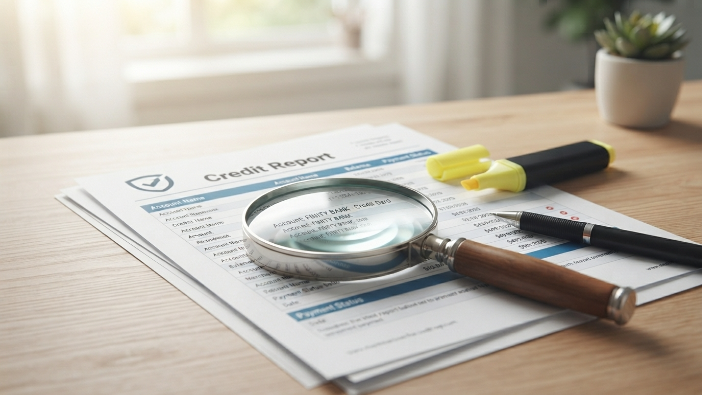
Ignoring your credit report. Errors go unnoticed and uncorrected when you never review your report, potentially costing you points for years.
Applying for too much new credit at once. Multiple hard inquiries in a short period can signal risk to lenders and temporarily lower your score.
Falling for credit repair scams. Legitimate credit improvement takes consistent habits over time; no company can legally remove accurate negative information instantly.
Action Plan
- Pull your free credit report from all three bureaus and review it for errors.
- Calculate your current credit utilization on each card and overall.
- Set a target to bring utilization under 30%, then under 10%, within 60–90 days.
- Set up autopay for at least the minimum payment on every account.
- Dispute any errors you find through the credit bureau’s official process.
- Avoid applying for new credit for at least six months while you rebuild.
- Recheck your score monthly and adjust your plan based on what’s moving it.
Key Takeaways
- Credit utilization and payment history are the two biggest factors in your credit score.
- Paying down balances before your statement closing date can produce fast results.
- Disputing errors and requesting goodwill adjustments can add points relatively quickly.
- Keeping old accounts open protects your credit history length.
- Real, lasting improvement typically takes three to six months of consistent habits.
Conclusion
Improving your credit score isn’t about a single trick, it’s about consistently managing utilization, payments, and your credit history over time.
Start with the highest-impact steps from this list, track your progress monthly, and give yourself grace as the improvements build.
Frequently Asked Questions
How fast can I improve my credit score?
Some changes, like lowering credit utilization, can reflect within one billing cycle, roughly 30 days. Other factors, like building payment history, take three to six months or longer to show significant improvement.
What hurts a credit score the most?
Late or missed payments cause the most damage, followed closely by high credit utilization. A single 30-day late payment can lower your score significantly and remain on your report for up to seven years.
Does checking my own credit score lower it?
No. Checking your own credit score is considered a soft inquiry and does not affect your score. Only hard inquiries from lenders reviewing your application impact your score.
What credit utilization ratio is considered good?
Generally, keeping utilization under 30% is recommended, while under 10% is considered excellent by most scoring models and can help maximize your score.
Can paying off debt hurt my credit score temporarily?
In rare cases, closing an account after paying it off can slightly lower your score by reducing your available credit and average account age. Paying down balances while keeping accounts open is usually preferable.
How often should I check my credit report?
Reviewing your credit report at least once a year, or more frequently if you’re actively working on improving your score, is recommended to catch errors or fraud early.
Do I need to carry a credit card balance to build credit?
No, this is a common myth. You can build excellent credit by paying your balance in full each month, which also helps you avoid interest charges.
What’s the difference between a hard and soft credit inquiry?
A hard inquiry occurs when a lender reviews your credit for a loan application and can slightly lower your score. A soft inquiry, like checking your own score, has no impact.
Can I improve my credit score without a credit card?
Yes, through alternative methods like a secured credit card, credit-builder loan, or by becoming an authorized user on someone else’s well-managed account.
How long do negative items stay on my credit report?
Most negative items, including late payments, remain for seven years, while bankruptcies can remain for up to ten years, though their impact lessens over time.